





When treating anxiety alongside addiction, understanding GAD-7 scoring isn't just clinical protocol—it's the key to unlocking recovery for millions trapped beneath the surface of their visible symptoms.
The GAD-7 (Generalized Anxiety Disorder 7-item scale) gives you and your care team a clear way to measure anxiety over time. In the Addiction Iceberg Program, where mental health care is paired with naltrexone, we're not just treating anxiety scores—we're addressing the hidden 90% of factors driving both mental health and addiction.
Think of it this way: traditional treatment approaches the tip of the iceberg—the visible addiction behaviors. But beneath the surface lies a massive foundation of anxiety, depression, trauma, and neurobiological imbalances. Studies show 80% of patients with addiction have co-occurring anxiety disorders, yet most programs treat these separately, if at all.
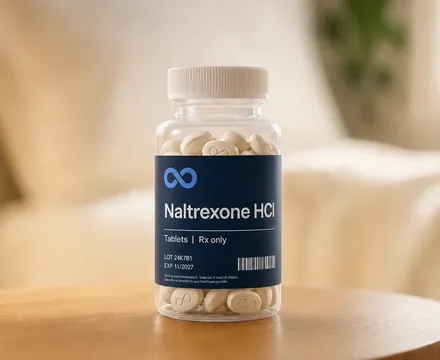
The Addiction Iceberg Program changes everything by combining anxiety care from a psychiatrist and coach with sustained addiction recovery through naltrexone—all while monitoring progress with precise GAD-7 scoring.
Understanding GAD-7: Your Recovery Roadmap
What GAD-7 Scoring Really Measures
The GAD-7 isn't just another questionnaire—it's a validated tool that captures the full spectrum of anxiety's impact on your life. Each of the seven items measures frequency of symptoms over the past two weeks:
The Seven Critical Indicators:
1. Feeling nervous, anxious, or on edge
2. Not being able to stop or control worrying
3. Worrying too much about different things
4. Trouble relaxing
5. Being so restless it's hard to sit still
6. Becoming easily annoyed or irritable
7. Feeling afraid as if something awful might happen
Scoring Breakdown:
- 0-4: Minimal anxiety
- 5-9: Mild anxiety
- 10-14: Moderate anxiety
- 15-21: Severe anxiety
Here's why this matters: Research shows patients with moderate to severe GAD-7 scores (10+) have significantly higher addiction relapse rates. Traditional addiction treatment often ignores these scores, focusing only on substance use. The Iceberg approach recognizes that a GAD-7 score of 15 requires different intervention than a score of 5.
The Hidden Connection: Why Anxiety Drives Addiction
Here's what matters: when anxiety decreases, addiction cravings often follow.
The neuroscience is clear. Chronic anxiety creates a hyperexcitable state in your brain—too much glutamate (the gas pedal) and not enough GABA (the brake pedal). This imbalance drives both anxiety symptoms and addiction behaviors. People self-medicate with substances to temporarily restore balance, creating a vicious cycle.
GAD-7 scoring captures this dynamic in real-time, allowing precise treatment adjustments. When scores drop below 10, patients report dramatically reduced substance cravings. This isn't coincidence—it's biology.
The Iceberg Approach: Integrated Treatment That Changes Everything
Naltrexone: The Missing Piece of Sustained Recovery
Naltrexone blocks opioid receptors, reducing cravings and preventing relapse. Clinical trials show 17-25% reduction in alcohol relapse rates and 30-50% reduction in opioid relapse. But here's what makes the integrated approach powerful:
The Integrated Effect:
- Mental health care reduces anxiety (addressing the driver)
- Naltrexone prevents relapse (maintaining the gains)
- Combined treatment addresses both cause and symptom
- GAD-7 monitoring ensures optimal dosing
Real-World Outcomes: What GAD-7 Improvements Mean for Recovery
When GAD-7 scores drop, everything changes. Patients report:
Week 1-2 (GAD-7 reduction of 3-5 points):
- Better sleep quality
- Reduced physical tension
- Clearer thinking
- Decreased irritability
Week 3-4 (GAD-7 reduction of 5-8 points):
- Significantly reduced cravings
- Improved relationships
- Better work performance
- Hope returns
Week 4-6 (GAD-7 scores stabilizing in mild range):
- Sustained sobriety feels achievable
- Anxiety no longer drives decisions
- New coping strategies develop
- Life feels manageable again
The Science: Why This Works When Others Fail
Neurobiological Mechanisms: Addressing Root Causes
The Iceberg approach works because it targets multiple neurobiological systems simultaneously. Here's the science:
Naltrexone's Action:
- μ-opioid receptor antagonist
- Reduces reward pathway activation
- Decreases craving intensity
- Prevents euphoric reinforcement
Combined Effect:
- Mental health care helps repair mood regulation
- Naltrexone maintains addiction recovery
- Together: address both sides of dual diagnosis
- GAD-7 monitoring optimizes treatment
Your Recovery Journey: What to Expect with Iceberg Treatment
Initial Assessment: Beyond Surface Symptoms
The Iceberg Program begins with comprehensive evaluation including:
Clinical Assessments:
- GAD-7 for anxiety baseline
- PHQ-9 for depression
- Addiction severity screening
- Medical history review
- Treatment history analysis
Personalized Protocol Development: Based on your GAD-7 score and other factors, your treatment team designs a protocol addressing both visible symptoms and hidden drivers. Higher GAD-7 scores may indicate need for more intensive initial support.
Treatment Timeline: Tracking GAD-7 Improvements
Week 1-2: Stabilization Phase
- Naltrexone initiation (if appropriate)
- Daily GAD-7 monitoring
- Expect 2-4 point reduction
Week 3-4: Acceleration Phase
- GAD-7 scores typically drop 4-6 additional points
- Cravings significantly reduce
- Therapy integration begins
Week 5-8: Integration Phase
- GAD-7 scores stabilize in mild range
- Sustained craving reduction
- Building new coping strategies
Maintenance Phase:
- Monthly check-ins as needed
- Quarterly GAD-7 assessments
- Ongoing naltrexone if indicated
- Long-term recovery support
Why Traditional Treatment Falls Short: The Single-Focus Trap
The Limitation of Treating Symptoms Alone
Traditional addiction treatment often follows this pattern:
Typical Approach:
- Detox from substances
- Group therapy
- 12-step meetings
- Relapse prevention
What's Missing:
• Underlying anxiety treatment
- Rapid symptom relief
- Neurobiological repair
- Integrated mental health care
Studies show 37% of people in traditional treatment relapse within one year. Why? Because anxiety—measured by tools like GAD-7—remains untreated. The person white-knuckles through sobriety while their brain screams for relief.
Sequential vs. Simultaneous Treatment
Many programs treat conditions sequentially:
1. First, get sober
2. Then, maybe address anxiety
3. Hope everything holds together
The Iceberg approach treats simultaneously:
- Mental health care addresses anxiety/depression from day one
- Naltrexone prevents relapse concurrently
- GAD-7 monitoring ensures both improve together
- Recovery addresses whole person, not just addiction
This simultaneous approach reflects reality: mental health and addiction are interconnected, not separate issues.
Making the Decision: Is Iceberg Treatment Right for You?
Ideal Candidates: Who Benefits Most
The Addiction Iceberg Program shows greatest success for:
Primary Indicators:
- GAD-7 score ≥10 (moderate to severe anxiety)
- Co-occurring addiction and mental health issues
- Failed traditional treatment approaches
- Desire for rapid symptom relief
- Commitment to comprehensive recovery
Clinical Criteria:
- Alcohol or opioid use disorder
- Treatment-resistant depression/anxiety
- PTSD with substance use
- Chronic pain with addiction risk
When to Consider Alternative Approaches
While highly effective, Iceberg treatment isn't for everyone:
Contraindications:
- Active psychosis
- Uncontrolled hypertension
- Certain heart conditions
- Pregnancy
May Need Different Approach:
- Mild anxiety (GAD-7 < 5)
- No co-occurring disorders
- Success with traditional treatment
- Preference for non-medication options
The Future of Integrated Treatment: Beyond Traditional Boundaries
Emerging Research and Protocols
The field evolves rapidly with new findings:
Current Studies Focus On:
- Long-term outcome tracking
- GAD-7 as treatment predictor
- Biomarker development
Future Directions:
- Personalized protocols based on GAD-7 patterns
- Home-based monitoring systems
- Integration with digital therapeutics
- Precision medicine approaches
Transforming Mental Health and Addiction Treatment
The Iceberg model represents a paradigm shift:
From:
- Treating conditions separately
- Focusing on symptoms only
- Waiting weeks for relief
- High relapse rates
To:
- Integrated simultaneous treatment
- Addressing root causes
- Rapid symptom improvement
- Sustained recovery outcomes
GAD-7 scoring becomes not just an assessment tool but a recovery compass, guiding treatment decisions and measuring meaningful progress.
Ready to Break Free from Anxiety and Addiction?
Your GAD-7 score is more than a number—it's your starting point for transformation. The Addiction Iceberg Program combines mental health care with proven naltrexone treatment to address both the visible and hidden aspects of your struggle.
Get special discount on the Addiction Iceberg Program today
References
- Koob GF, Volkow ND. "Neurobiology of addiction: a neurocircuitry analysis." The Lancet Psychiatry. 2016;3(8):760-773.
- Jesse S, et al. "Alcohol withdrawal syndrome: mechanisms, manifestations, and management." Acta Neurologica Scandinavica. 2017;135(1):4-16.
- Schuckit MA. "Alcohol-use disorders." The Lancet. 2009;373(9662):492-501.
A private, physician-led plan to drink less or quit.
Medication, coaching and support from home. A short assessment is the first step.
Start Assessment